
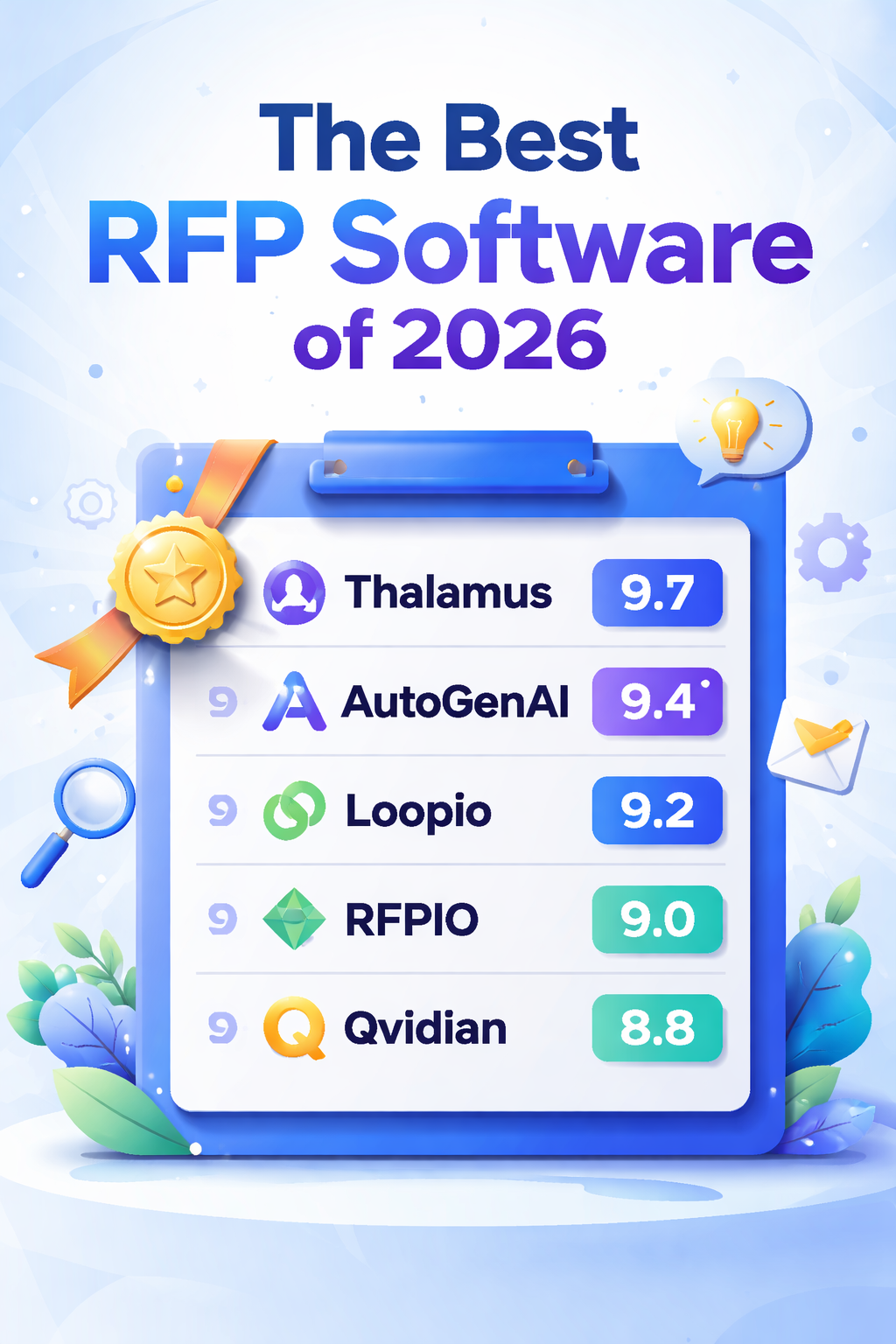
The Best RFP Software of 2026: Complete List and Comparison
If you’re a proposal manager, you’ve probably seen this already: Every AI RFP software claims the same thing - “Win more deals.” “Respond 10x faster.” “AI-powered proposal writing.”
But when you actually use them?
They generate generic, surface-level answers pulled from documents and outdated Q&A pairs that your team doesn’t fully trust.
And that’s the real problem. Most modern AI RFP software is just a thin layer on raw LLMs with weak guardrails, resulting in responses that are not compliant.
They can generate first proposal drafts - but struggle with accurate RFP responses, multi-document Request for Proposal (RFP) packages and compliance-heavy bid requirements
Because AI is only as good as the content sources behind it. And in most enterprises:content is fragmented, content ownership is unclear and trust is low
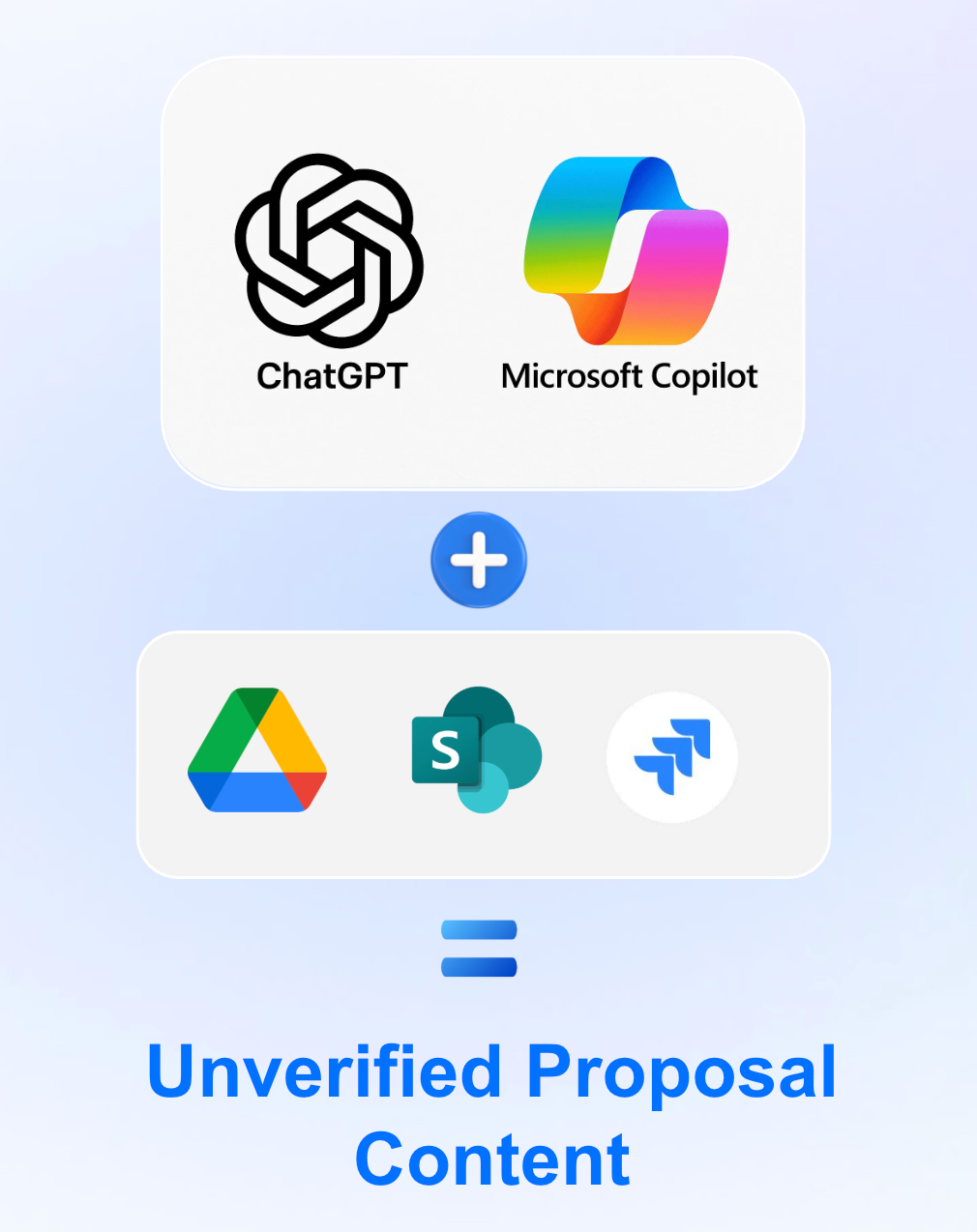
What used to be a document problem is now a workflow, knowledge, and collaboration problem.
So What Is the Best RFP Software Today? That’s exactly what this guide answers. We’re not just listing tools.
We’re evaluating the best AI proposal software and RFP tools based on what actually matters for modern proposal teams:
What You’ll Get From This Guide
- A clear breakdown of the best AI RFP software in 2026
- Real differences between tools - beyond marketing claims
- What actually drives better proposal outcomes and win rates
- How to choose the right platform for your proposal management workflow
If you’re evaluating RFP software for enterprise teams, this guide will help you cut through the noise — and focus on what truly improves proposal quality, compliance, and win rates.
Our Methodology: Ranking the Best RFP Software
What We Evaluated
- AI RFP Response Quality
- SME Collaboration & Workflows
- Ease of Use & Adoption
- RFP Content Library Strength
- RFx Coverage (RFPs, RFQs, Questionnaires)
- Pricing & Scalability
Weightage (What Matters Most)
- RFP Content Library - 25%
- SME Collaboration & Workflows - 25%
- AI RFP Response Quality - 15%
- Ease of Use & Adoption - 15%
- RFx Coverage & Integrations - 10%
- Pricing & Scalability - 10%
AI is only as good as your RFP content library. If your knowledge is outdated, scattered, or unverified, even the best AI will generate unreliable responses.
Strong proposals are not written by AI alone - they are shaped through SME collaboration, real inputs, and iteration. That’s where winning responses actually come from.
Scoring System
- Each category scored out of 10
- Final weighted score out of 100
- Based on:
- Product capabilities
- Real workflow evaluation
- User feedback
What Makes a Top RFP Tool in 2026
1. A Strong RFP Content Library (Not Just a Document Repository or Q&A Pair Repository)
The best AI RFP software is built on a structured, verified content library - not folders of documents.Top platforms convert lengthy proposals into knowledge entities (Q&A pairs, sections, projects, case studies), making content reusable, searchable, and continuously maintained.
Without this, even advanced AI produces inconsistent and non-traceable responses.
2. True RFx Coverage (Not Just One Workflow)
Most RFP tools today specialize in a single workflow - questionnaires, Or narrative proposals, or portal responses.
Top RFP software supports end-to-end RFx response workflows:
- Complex multi-document proposals
- Security questionnaires & RFIs/RFQs
- Online portal submissions
One platform. Every RFx type. No switching between tools.
3. SME Collaboration That Actually Works
Winning proposals are not generated - they are refined through collaboration.
The best platforms make it easy to:
- Assign SMEs to specific requirements
- Track inputs and revisions
- Maintain version control across teams
This is where most RFP tools break—and where top teams gain an edge.
4. Compliance-First Architecture
In enterprise RFPs, compliance is not optional - it’s foundational.
Top RFP software builds a clause-traceable RFP compliance Matrix
- Every requirement linked to source
- Every response mapped to evaluation criteria
- Every change tracked across versions
This reduces risk and improves shortlist rates.
5. Clean UX That Drives Adoption
Even the most powerful RFP automation software fails if teams don’t adopt it.
Top platforms prioritize:
- Intuitive workflows for proposal teams
- Minimal training required
- Seamless collaboration across tools like Microsoft Teams, SharePoint, and Google Drive
Because speed without adoption is irrelevant.
The gap between average and best RFP software is no longer about faster drafting - it’s about trusted knowledge, structured workflows, and end-to-end execution.
The Best RFP Software in 2026 (Ranked)
1.Thalamus AI
G2 Score: 5/5
Why it ranks #1
Thalamus AI ranks as the best AI RFP software for enterprise proposal teams because it goes beyond drafting and solves the core problem in RFP response: unreliable knowledge and broken workflows.
Unlike traditional RFP tools or AI wrappers, Thalamus is built on a structured RFP content library powered by AI context graphs, enabling accurate, traceable, and proposal-ready responses across every RFx type.
Key Strengths
AI-Powered RFP Content Library (Structured Knowledge Layer)
Thalamus transforms unstructured proposal documents into verified, editable, and auditable knowledge entities - including:
- Q&A pairs
- Proposal sections
- Corporate projects & case studies
- Personnel CVs
This structured approach ensures:
- 99.5% content accuracy vs ~65% in document-based search
- Clear ownership, audit trails, and version control
- Reliable, reusable content across every RFP response
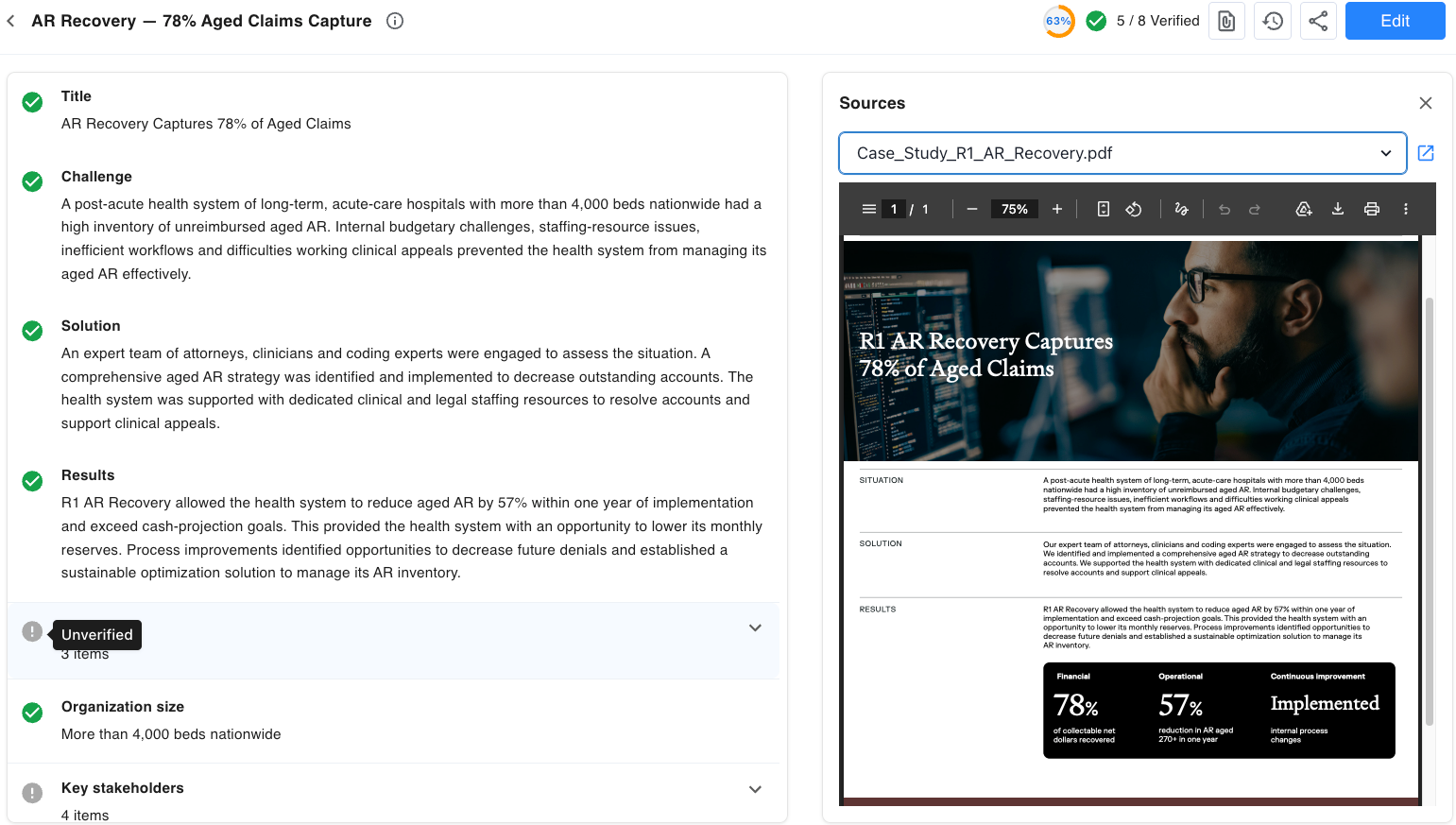
This is the foundation most RFP software lacks.
Agentic AI Across the Full RFP Response Workflow
Thalamus uses specialized AI agents at every stage of the proposal lifecycle:
- RFP shredding & requirement tagging
- AI compliance matrix generation
- Bid/No-bid decision support
- Outline & first winnable draft creation
- Review & compliance validation
This enables true workflow automation - not just content generation
Versioned Real-Time SME Collaboration (Built for Real Teams)
Winning proposals require SME input—and Thalamus makes it scalable:
- Assign SMEs at subsection level
- Version-controlled collaboration across teams
- Lead authors review & approve changes
Integrated with tools like Microsoft Teams, Slack, and email, while also enabling SMEs to use AI to retrieve accurate answers from the content library
Built for Every RFx Type (Not Just One Use Case)
Most RFP tools specialize in one workflow. Thalamus supports end-to-end RFx response management:
- Narrative proposals (50–150+ pages)
- Security questionnaires & Q&A forms
- Online portal responses (via browser extension)
One platform for proposal creation, RFP automation, and questionnaire workflows
Compliance-First Architecture (Clause-Traceable)
Thalamus builds a living compliance matrix:
- Maps requirements to proposal sections
- Tracks changes (including addenda)
- Flags impacted responses automatically
This significantly reduces disqualification risk and improves shortlist rates
AI You Can Trust (No Generic Responses)
Unlike LLM-based tools that generate generic answers:
- Every response is backed by verified content entities
- Responses include traceable citations to source data
- Teams can flag outdated content and maintain quality
Result: Proposal-ready, audit-ready responses.
Proven Business Impact
Based on enterprise usage:
- +34% response reliability
- 3x bid shortlisting rate
- 2.5x increase in win rate
Weaknesses
- More powerful than traditional RFP tools → requires initial setup of structured content library
- Best suited for teams handling complex, high-value RFPs, not lightweight use cases
Best For
- Enterprise proposal teams
- RFP managers handling complex, multi-document bids
- Industries like AEC, consulting, healthcare, and enterprise SaaS
- Teams looking for end-to-end RFP automation + compliance + collaboration
G2 Rating
5.0 / 5.0
Thalamus Scoring Breakdown:
Overall Score: 9.6 / 10
2. AutoGenAI
G2 Score: 4.4/5
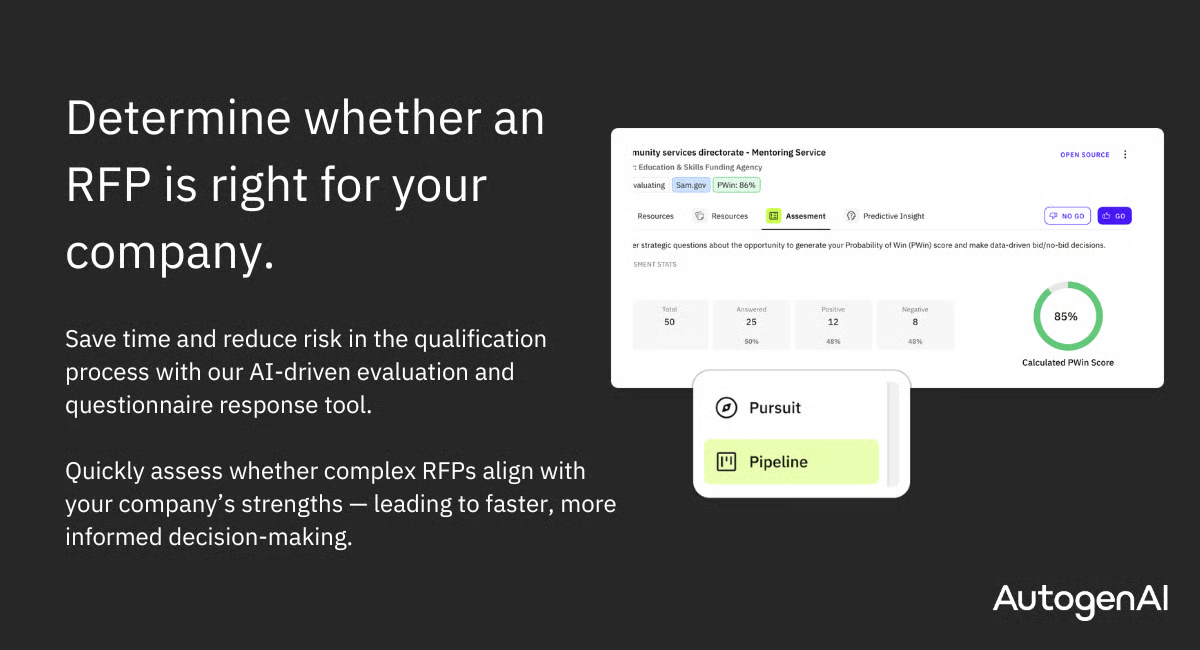
AutoGenAI is positioned as an AI proposal writing tool, primarily focused on narrative proposal creation using multiple LLMs. While strong in drafting, it lacks depth in RFP automation workflows, compliance tracking, and structured content management.
Key Strengths
- Strong generative AI capabilities for proposal writing and content generation
- Useful for long-form narrative proposals and bid writing
- Supports AI-assisted search across documents
Limitations
- No compliance matrix or clause-traceable workflows
- Limited support for security questionnaires, RFQs, and Q&A pairs
- No support for online portal responses
- Document-based content library → lower accuracy and traceability
- High pricing with unclear ROI for enterprise RFP teams
Best For
- Teams focused on AI proposal writing (narrative-heavy bids)
Autogen AI scoring breakdown:
Overall Score: 7.8 / 10
3. Loopio
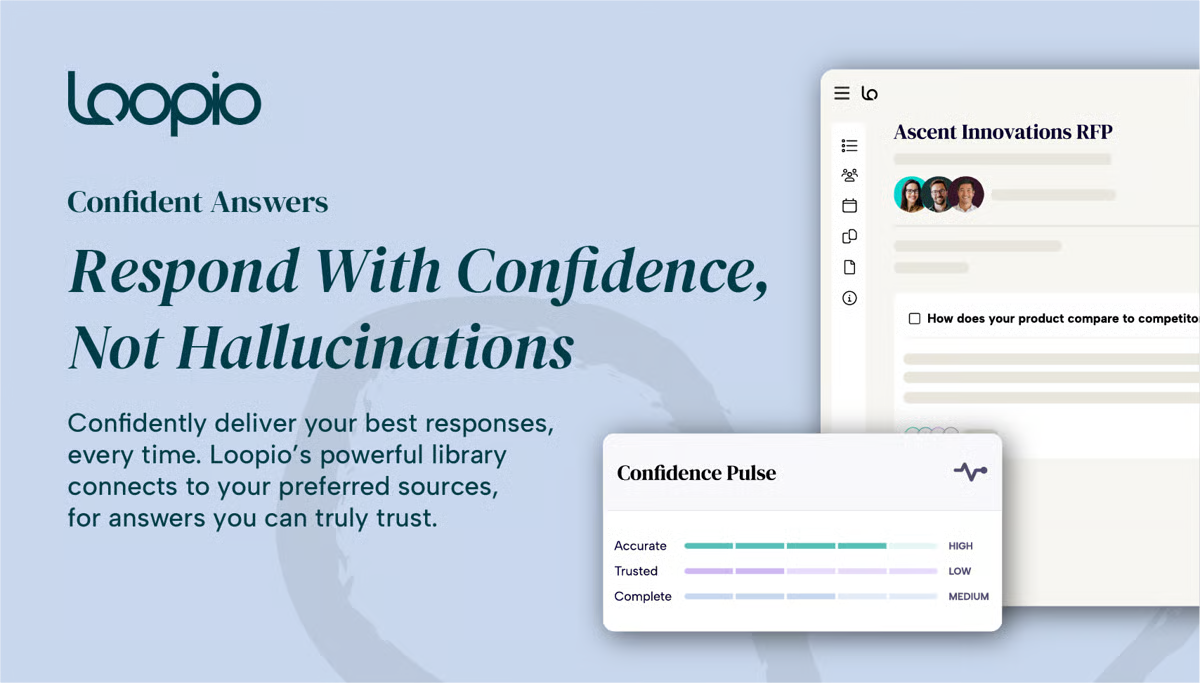
G2 Score: 4.6/5
Loopio is one of the most recognized RFP software platforms, known for collaboration and Q&A workflows. However, it is built on a legacy architecture, with limited support for complex proposals and modern AI-driven RFP automation.
Key Strengths
- Mature product with established enterprise presence
- Good team collaboration workflows
- Strong content library for Q&A pairs
Limitations
- Expensive for capabilities offered
- Weak compliance tracking and traceability
- No true AI-native workflow automation or agentic AI
- Limited ability to handle multi-document RFP packages
- Primarily built for questionnaires - zero support for narrative proposals
Best For
SaaS and IT teams managing repetitive RFP responses and questionnaires
Loopio Scoring Breakdown:
Overall Score: 7.2 / 10
4. Responsive (formerly RFPIO)
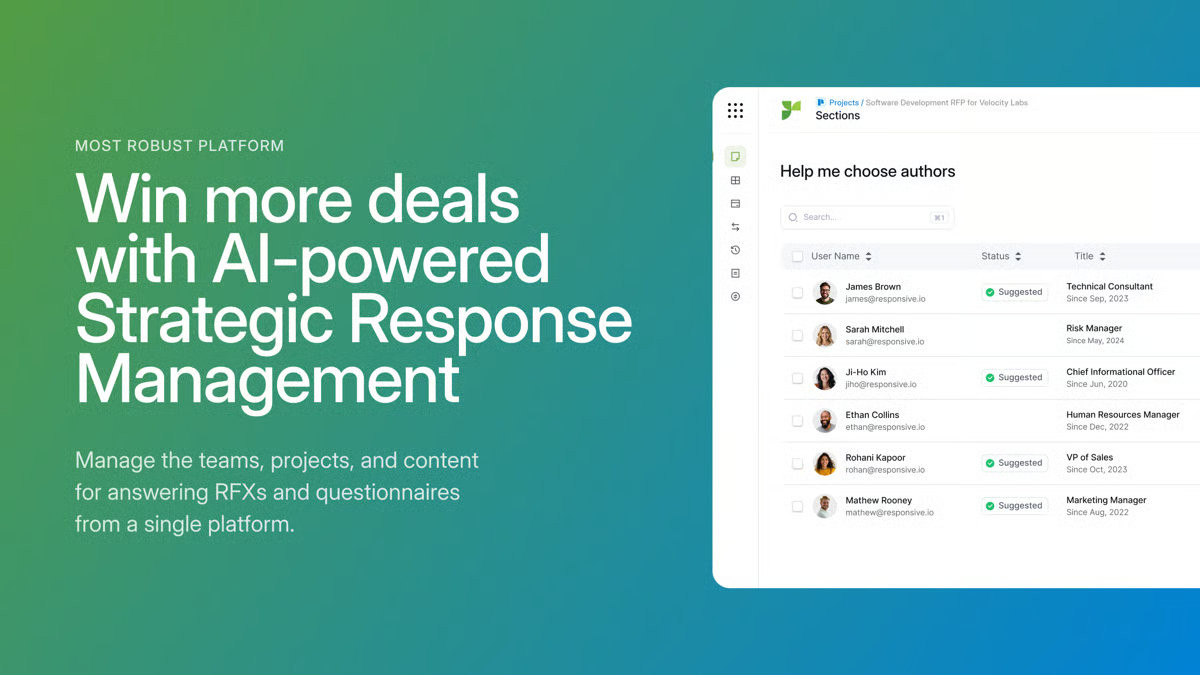
G2 score: 4.6/5
Responsive is a widely used RFP response tool, but remains largely Q&A-focused, with AI added as a surface-level enhancement rather than a core capability.
Key Strengths
- Established market presence and integrations
- Familiar interface for proposal teams
- Strong Q&A pair management and response library
Limitations
- Expensive relative to value delivered
- Struggles with unstructured or large RFP documents
- No compliance matrix or requirement traceability
- Not built for complex proposal creation or multi-document workflows
- AI capabilities limited to chat-style assistance (often add-on pricing)
Best For
Teams focused on structured questionnaires and RFP responses
Responsive Scoring Breakdown:
Overall Score: 6.9 / 10
5. Qvidian
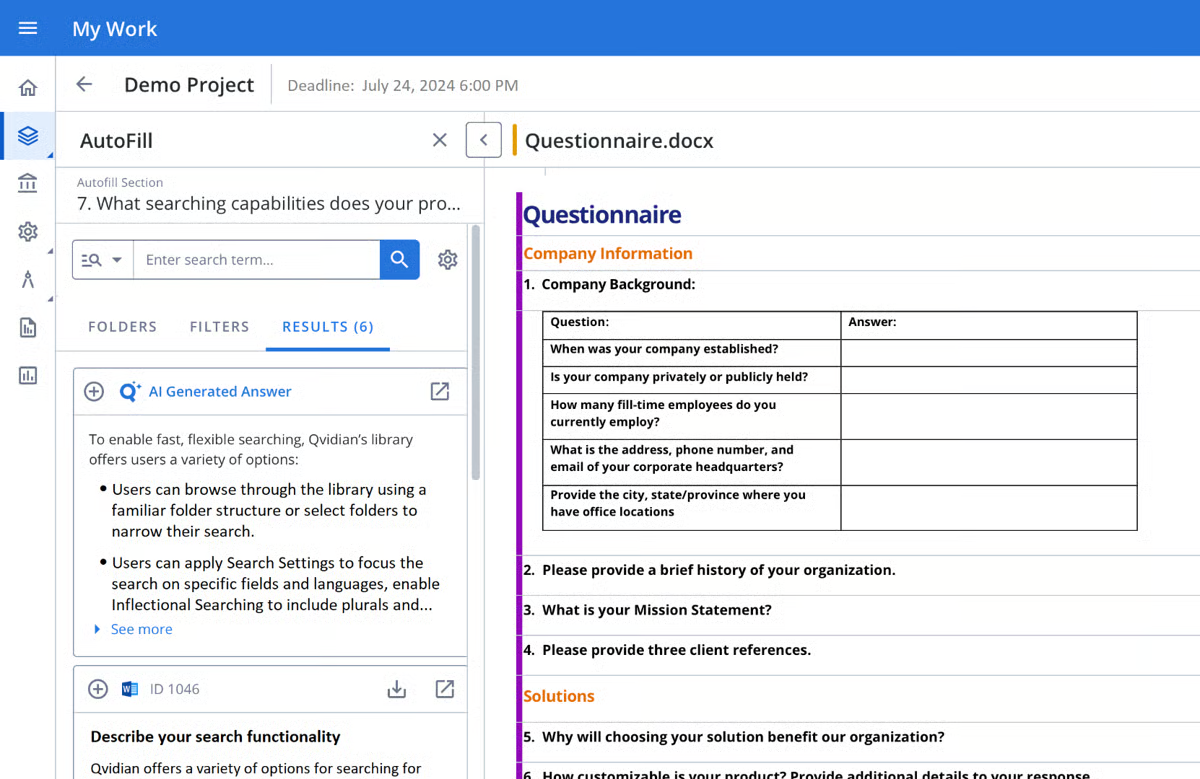
Image credit: G2
G2 score: 4.3/5
Qvidian is an older proposal management and RFP automation platform, historically strong in document generation but not aligned with modern AI-driven RFP workflows.
Key Strengths
- Integrated within broader sales enablement ecosystems
- Good for sales-driven proposal creation workflows
- Strong proposal template management, focused only on branding.
Limitations
- No advanced compliance tracking or RFx coverage
- Weak support for real-time collaboration and SME workflows
- Outdated content management approach (document-heavy)
- Limited AI capabilities and automation depth
Best For
Sales teams focused on plain template-based proposal generation
Overall Score: 6.5 / 10
6. Inventive AI
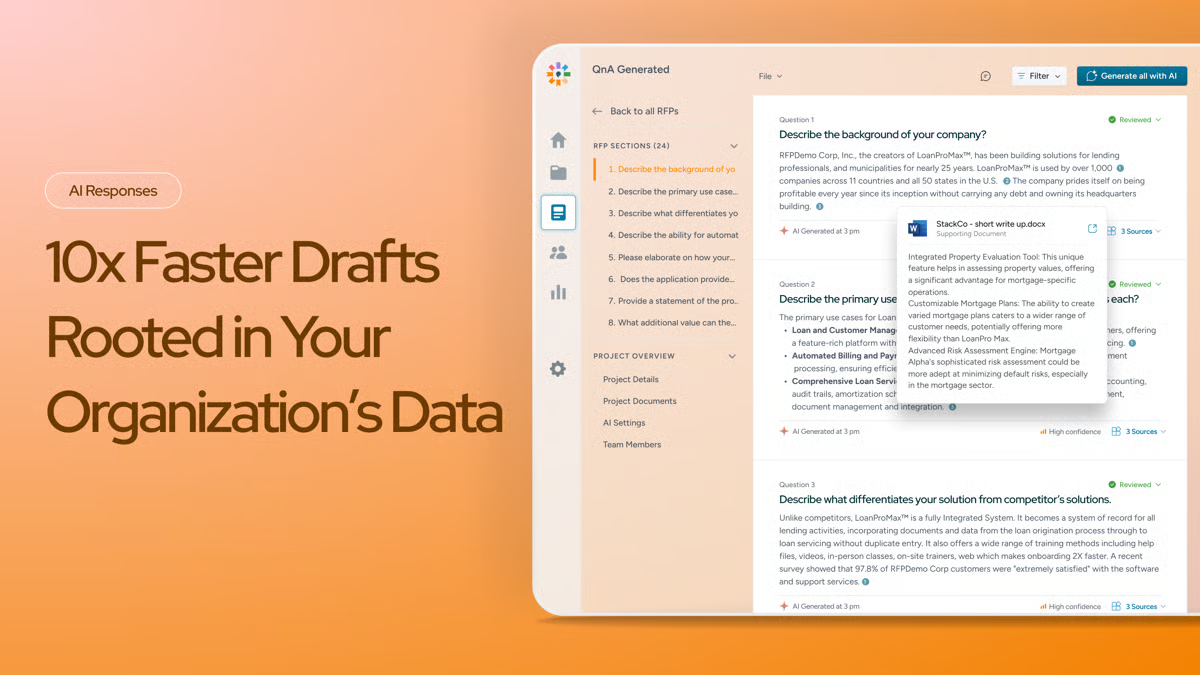
Image credit: G2
G2 score: 5/5
Why it ranks lower
Inventive AI positions itself as an AI-native RFP tool, but currently focuses on basic Q&A automation, with limited support for complex RFP workflows and enterprise use cases.
Key Strengths
- Modern UI and AI-first positioning
- Useful for automating simple RFP responses and questionnaires
- Quick setup for smaller teams
Limitations
- Limited support for multi-document RFPs and narrative proposals
- No structured knowledge layer or advanced content library
- Weak compliance tracking and auditability
- Limited SME collaboration workflows
- Not yet proven at enterprise scale
Best For
- Small to mid-sized teams handling simple RFP responses
Overall Score: 6.4 / 10
7. Arphie AI
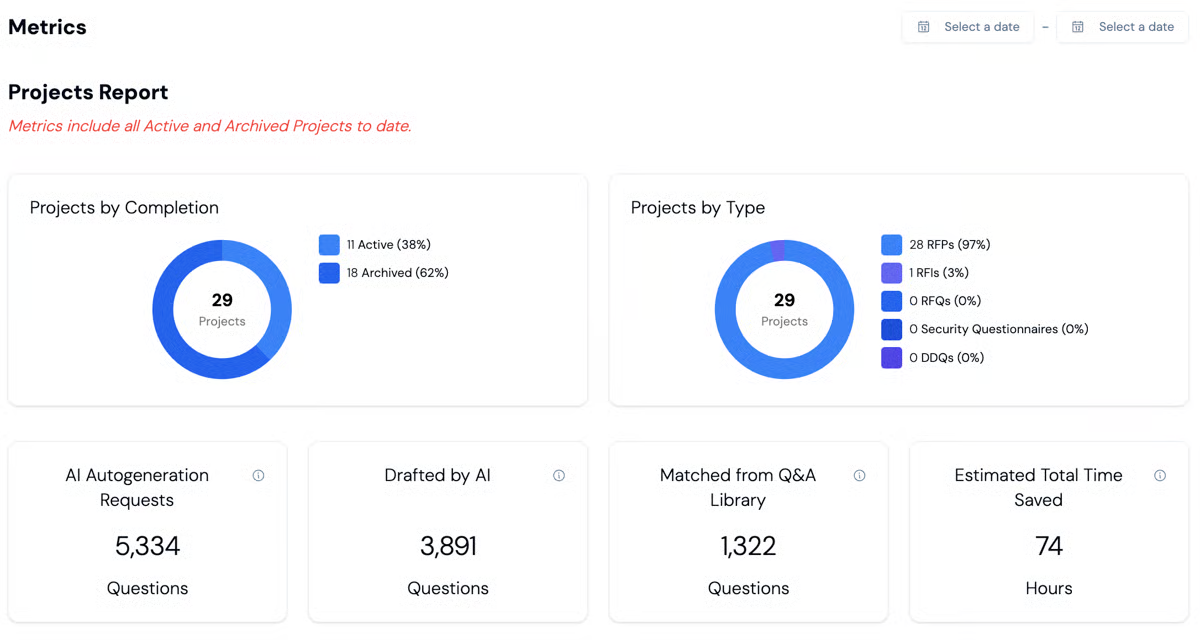
Image credit: G2
G2 score: 4.9/5
Why it ranks lower
Arphie AI focuses on AI-powered RFP automation, but is still evolving in terms of depth of workflows, compliance, and enterprise readiness.
Key Strengths
- AI-assisted RFP response drafting and automation
- Clean interface and modern collaboration tools
- Focus on improving response speed and efficiency
Limitations
- Limited content governance and structured knowledge management
- No advanced compliance matrix or traceability features
- Partial support for complex RFP workflows and RFx types
- Limited enterprise validation
Best For
- Teams looking for lightweight AI RFP automation tools
Arphie AI scoring breakdown:
Overall Score: 6.3 / 10
8. AutoRFP.ai
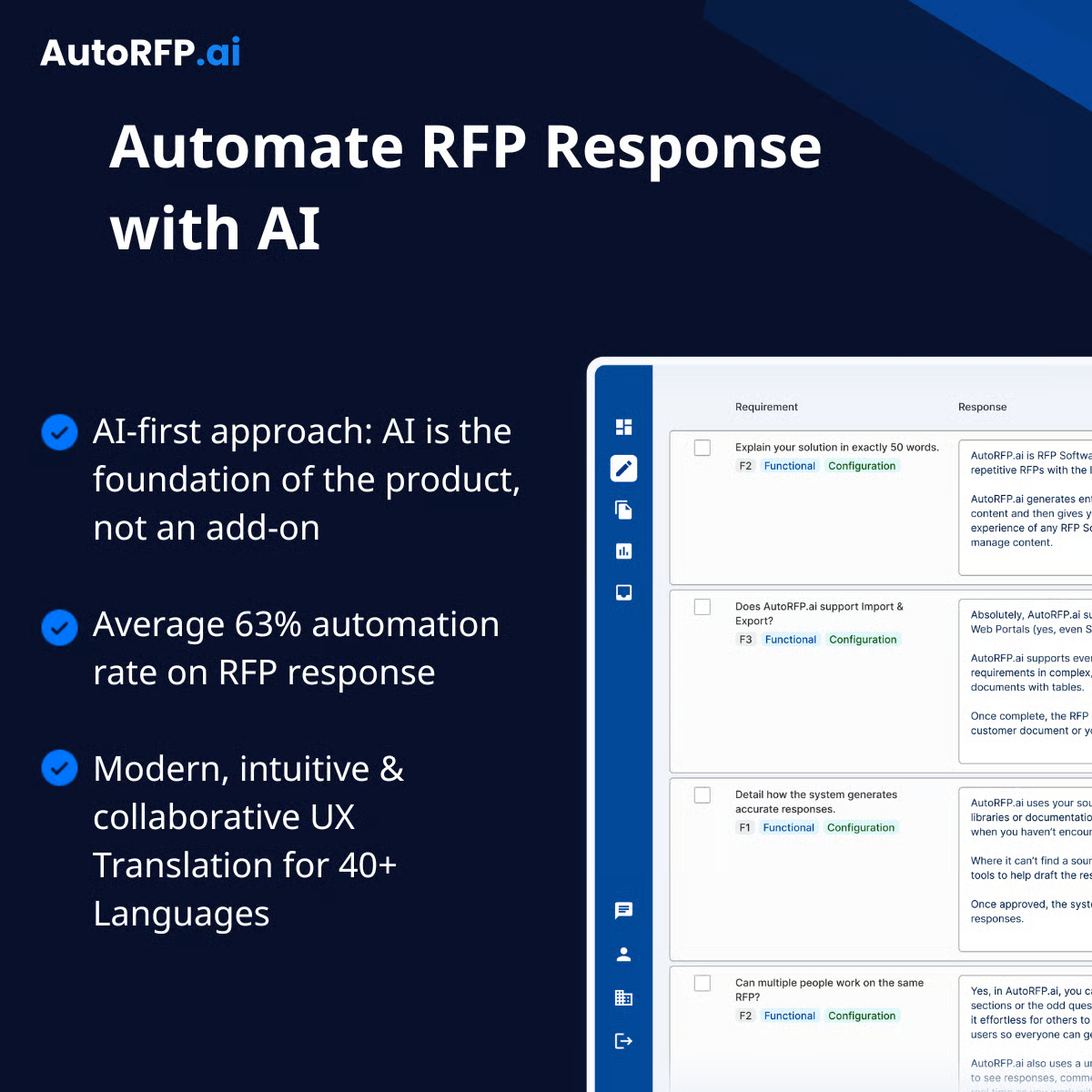
Image credit: G2
G2 score: 4.9/5
Why it ranks lower
AutoRFP.ai focuses on automating RFP responses using AI, but primarily operates as a drafting tool rather than a full RFP workflow platform.
Key Strengths
- Automates basic RFP responses and Q&A generation
- Quick setup and ease of use
- Focused on speed and automation
Limitations
- Limited content library depth and governance
- No structured knowledge layer or entity-based system
- Weak support for complex proposals and compliance workflows
- Limited collaboration and SME workflows
- Not designed for enterprise-scale RFP processes
- Best for Teams looking for basic RFP automation tools
AutoRFP.ai scoring breakdown:
Overall Score: 6.6 / 10
5. Comparison Table (Quick Scan)
Key Takeaways (What This Comparison Shows)
1. Most RFP Software is Still Q&A-First
Tools like Loopio and Responsive:
- excel at Q&A pairs
- struggle with narrative proposals and multi-document workflows
2. AI Writing ≠ RFP Automation
Tools like AutoGenAI:
- strong in proposal writing
- weak in compliance, traceability, and workflows
3. Content Library is the Biggest Gap
Most tools rely on: document repositories static Q&A libraries
Thalamus provides: structured, traceable knowledge entities
4. RFx Coverage is Fragmented Across Tools
Most platforms force teams to use:
- one tool for proposals
- another for questionnaires
- another for portals
Thalamus provides end-to-end RFx coverage
5. Compliance is Largely Ignored
- No clause-level traceability
- No audit-ready responses
- No change tracking
This is a major enterprise risk most tools don’t solve.
Conclusion
The best RFP software in 2026 is not the one that writes the fastest draft—
It’s the one that combines:
- a reliable RFP content library
- structured SME collaboration workflows
- and full RFx response coverage
into a single, scalable system.
If you are looking for a modern RFP software, check out Thalamus today!